
Boiler inspection and maintenance after the season – why is it worth taking care of?
The next heating season usually arrives faster than we expect, so it's worth considering servicing your gas boiler as soon as you finish heating your home after winter. This will help you avoid unpleasant surprises, such as long waits for service, and ensure you're ready for the first cold autumn days. What should you check when servicing your boiler?
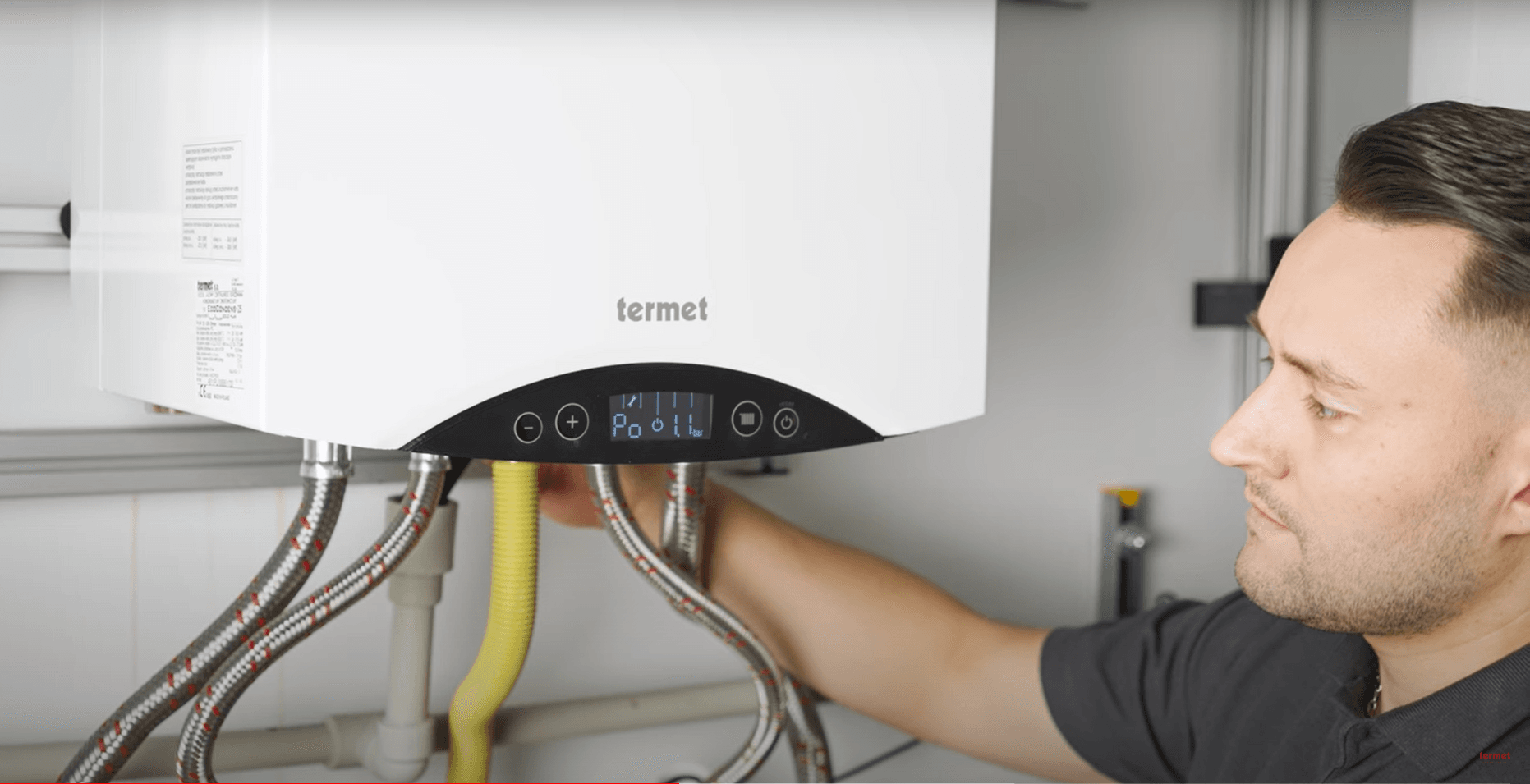
After a busy winter, every boiler deserves an inspection and cleaning. Dust and other contaminants accumulating in the device can affect its efficiency and increase the risk of failure the following season. Therefore, regulations and gas boiler manufacturers recommend inspections every 12 months. It is the lack of regular maintenance that most often leads to heating problems when it is most needed. According to Termet experts, regular maintenance not only improves boiler efficiency but also translates into real savings. Furthermore, a clean and efficient device uses less fuel, and its operation is safer and more environmentally friendly.
Gas Boiler Inspection – What Should a Service Technician Perform?
Above all, a technical inspection of the boiler should be performed by a service technician certified to work with gas appliances. Only then can we be sure that the device will operate efficiently and safely.
Recommended maintenance activities during a gas boiler inspection:
- Inspecting the ventilation of the boiler room: The service technician checks whether the ventilation openings are not obstructed by furniture or other objects. Clear ventilation is essential for proper combustion and safe boiler operation.
- Gas system leak check: The tightness of both the gas connection and the internal system is verified.
- Filter cleaning: The service technician checks and, if necessary, cleans the gas and cold water filters, as well as the heating system return filter.
- Pressure check: The water pressure in the heating system, the pre-charge pressure in the expansion tank, and the air cushion pressure are read.
- Condensate drain inspection: The condensate drain is checked for obstructions and, if necessary, the service technician cleans the drain.
- Water system and heat exchanger inspection: This includes checking the system for leaks and the condition of the flue gas-to-water and plate DHW heat exchangers. If necessary, the service technician flushes them with chemicals to remove deposits and scale. Safety Component Inspection: The technician assesses the condition of the safety valve, the central heating/domestic hot water diverter valve, the boiler temperature sensor, and the domestic hot water temperature sensor. If necessary, they descale them.
- Cleaning the burner, fan, and combustion chamber: This also includes assessing the condition of the thermal insulation and inspecting the ignition and ionization electrodes.
- Flue gas analysis and flue gas temperature sensor: This is an important step in verifying combustion efficiency and the technical condition of the appliance.
- Controller and Safety Tests: The technician checks whether the boiler is reaching the set central heating and domestic hot water temperatures, performs a thermal safety test, and also checks the electrical installation inside the controller and the connection of accessories.
Better Sooner Than Too Late
Many people decide to have their inspections done only in September or October, when the season begins and service technicians are already heavily booked. The consequences? Long deadlines, stressful waits, and sometimes the need to activate an emergency heat source. However, in the summer, inspections can be performed practically immediately. Not only faster, but also more thoroughly. Additionally, a technically prepared boiler means peace of mind when the temperature suddenly drops in the fall.
It's also worth remembering that some manufacturers – including Termet – offer devices with remote diagnostics and control functions, which allow for ongoing monitoring of operating parameters. These won't replace regular maintenance, but they will help you spot any irregularities, which you can quickly report to the service center. "There's nothing worse than a phone call in the middle of the first frost asking if I can go to the boiler that won't start," says one installer working with Termet. "In the summer, I have more time; I can focus on thorough diagnostics, not just 'putting out the fire,'" he adds.
Comfort, safety, and savings
Termet boilers are designed for easy operation and quick diagnostics. Their modular design, ergonomic access to key components, and the ability to integrate with photovoltaic systems make them modern and energy-efficient heat sources. The company also places great emphasis on training installers and service technicians to ensure they always have up-to-date and proven knowledge of Termet equipment. It's worth taking advantage of this and entrusting maintenance to authorized experts.
At the same time, Termet constantly emphasizes that prevention is the key to trouble-free operation. Therefore, the company encourages scheduling inspections in advance and using the services of authorized service technicians who are familiar with boiler design and recommendations for its maintenance and operation. A list of these technicians can be found on the Termet website. Even the best appliances require periodic maintenance, so don't wait until something breaks. It's better to service your boiler after the season, when you have the time, access to a service center, and peace of mind.